


If you’re planning a trip to Spain, there are some new travel laws going into effect! Keep scrolling to learn all about the new EES fingerprinting and face scans.
What Does The EES Stand For?
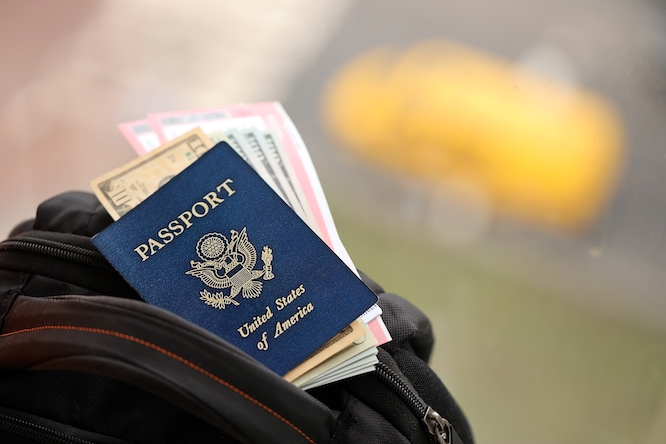
According to Travel Off Path,
The EES stands for Entry/Exit System, and it’s the European Union’s new border procedure that will entirely replace the decades-old passport stamps.
Up until now, Americans flying into Europe have gotten an entry stamp on their visitor’s passport after a brief interview at a customs desk. Now, with the EES, passport stamps are a relic of the past. Now visitors from the U.S. will need to provide four fingerprints and a face scan to enter the country.
When will this new fingerprint rule go into effect?
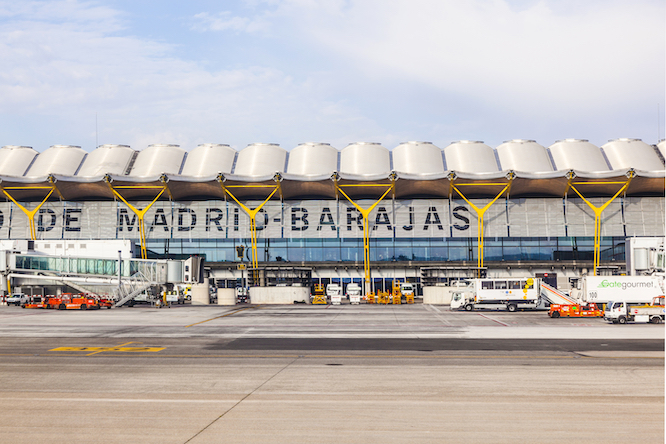
According to a press release published by Minister del Interior (translated to English from Spanish),
During the six-month trial period for the EU EES, it will be implemented gradually at Spanish border crossings, first at airports, then at land borders, and finally at sea borders. On Sunday, October 12, the first test will be conducted with passengers on a flight arriving at Madrid-Barajas-Adolfo Suárez Airport early this morning.
The official EES release is October 12th, however, there are still many European countries that have not made the digital border switch. Currently only Croatia and Spain, according to Travel Off Path, “have confirmed that they have the necessary infrastructure in place to start the biometric registration of visitors from the launch date. At the same time, several others have reported implementation setbacks and may not be able to enforce the EES until April 2026 at the latest.”
Here’s the roll-out timeline, according to Travel Off Path:
- Airports – beginning tests on October 12, specifically at Madrid-Barajas Airport
- Land borders – mainly concerning Gibraltar, a British territory in the south of Spain, and the Spanish exclaves of Ceuta and Melilla, on the coast of Morocco, at a later date
- Maritime borders – only when important technical upgrades are completed
What are the benefits of the EES?

According to the EES’s official website, here are the reasons the EES is beneficial:
- Making Border Checks More Modern and Efficient: The EES will gradually replace passport stamps with a digital system that records when travellers enter and exit, making border checks faster and helping staff to work more efficiently.
- Making Travel Across Borders Easier and Faster: With EES, travellers will spend less time at the border thanks to faster checks, self-service options, and the possibility to give their information in advance.
- Preventing Irregular Migration: The EES will help track who comes in and out of the Schengen Area, using fingerprint and face data to stop people from overstaying, using fake identities or misusing visa-free travel.
- Increasing the security in the Schengen Area: The EES will give border officers and law enforcement authorities access to important traveller information, helping them to spot security risks and support the fight against serious crimes and terrorism.
So don’t fret! You can learn more about the EES on the European Union’s action plan website, here!