


After being placed under a State of Emergency last week, Georgia has declared yet another State of Emergency for the upcoming winter weather. If you’re worried about what might happen, let us help you feel prepared and safe for all the weather events headed our way. Keep scrolling to learn more.
First, let us give you the facts. What’s happening with the winter storm in Atlanta?
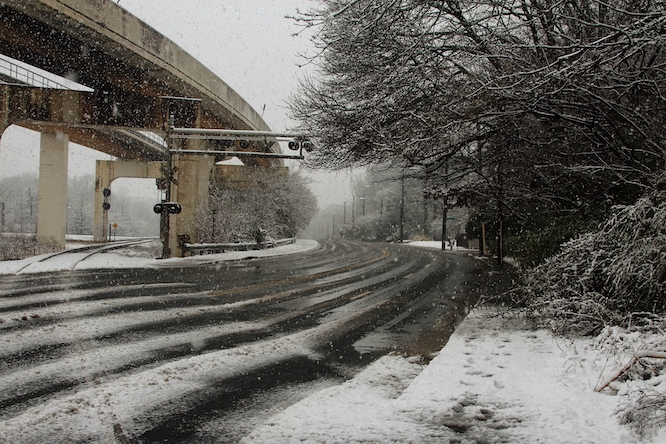
Weather is tricky, and of course, subject to change. But right now, the best thing you can do is stay up to date on what’s going on.
A ‘bomb cyclone’ is headed to the southeast, with some models showing Atlanta on the cusp of the storm. Right now, the National Weather Service is predicting between 0.5 – 2″ of snow in Atlanta.
With snow and cold temperatures brings, of course, the chance for slick, icy roads, dangerous exposure to cold temperatures, and treacherous driving conditions. Learn more about the weather models and the snow possibility here.
So how do I stay safe?
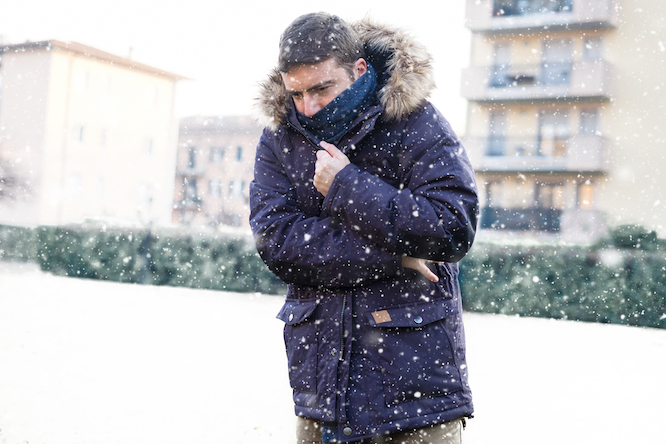
First of all, you need to know what’s going on to stay safe. Keep up with updates from GEMA, the Georgia Emergency Management & Homeland Security Agency, by checking out their website here. Tune into your local weather stations for updates, and know your winter weather terminology.
The City of Atlanta will announce warming center openings ahead of dangerously cold weather on their press release page, here.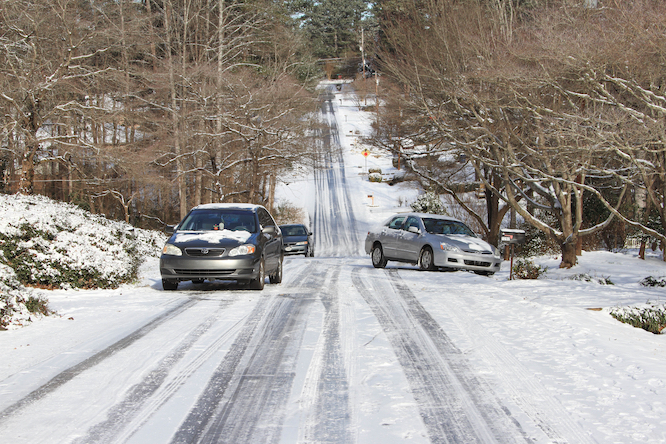
Here are some things you can prep to make sure you’re safe:
- First, DO NOT drive, if at all possible. Stay home! Icy roads are very dangerous, and you want to avoid driving on them as much as possible.
- If driving is a must, GEMA recommends: “Fully winterize your vehicle: Have a mechanic check antifreeze, brakes, heater and defroster, tires, and windshield wipers to ensure they are in good shape. Keep your gas tank at least half full.”
- Local authorities recommend having enough food to be self-sufficient for 3 days. This does not mean to panic-buy up all the bread, milk and toilet paper. Just make sure you have what you need in case you aren’t able to get out and about for a few days.
- Keep your cellphone charged, and make sure you have a cell phone with an emergency charging option (car, solar, hand crank, etc.) in case of a power failure.
- People who depend on electricity to operate medical equipment should have alternate arrangements in place in case power is out for an extended period of time.
- Fill a gallon container with water and place them in the freezer to help keep food cold.
- Bring pets inside.
- Allow faucets to drip a little during cold weather to avoid freezing.
- Open cabinet doors to allow heat to get to uninsulated pipes under sinks and appliances near exterior walls.
- Have a flashlight / battery-operated light source in case of a power outage
- Never use an oven to heat your home. Never bring portable generators, camp stoves and grills into your home; they should only be used outside. Keep them at least 20 feet away from your home’s windows, doors and vents to prevent deadly carbon monoxide poisoning.
- Make sure you have appropriate clothing for the weather, blankets, and other warming gear.