
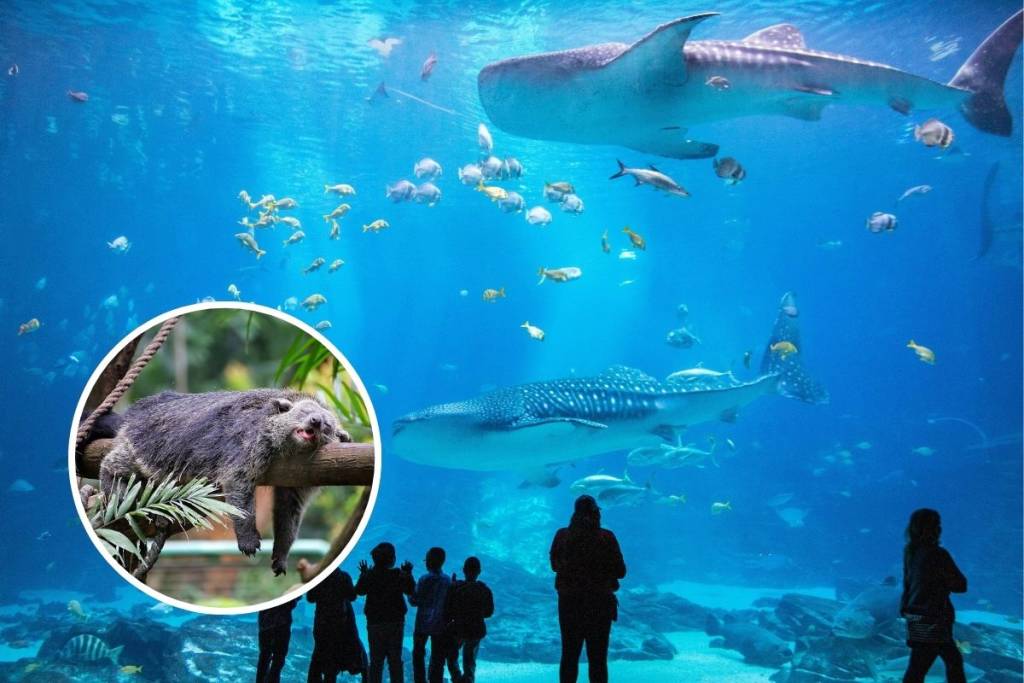

Located in the heart of the city, the Georgia Aquarium is the largest aquarium in the United States and the biggest in the Western Hemisphere, with more than 11 million gallons of water and more than 500 species.
Now, one of its freshwater galleries has gotten a major makeover, giving guests new ways to get closer to some of its most fascinating residents.
Inside Georgia Aquarium’s newly reimagined River Scout gallery
The Southern Company River Scout gallery has officially reopened following a major transformation designed to make the space more immersive for both animals and visitors.
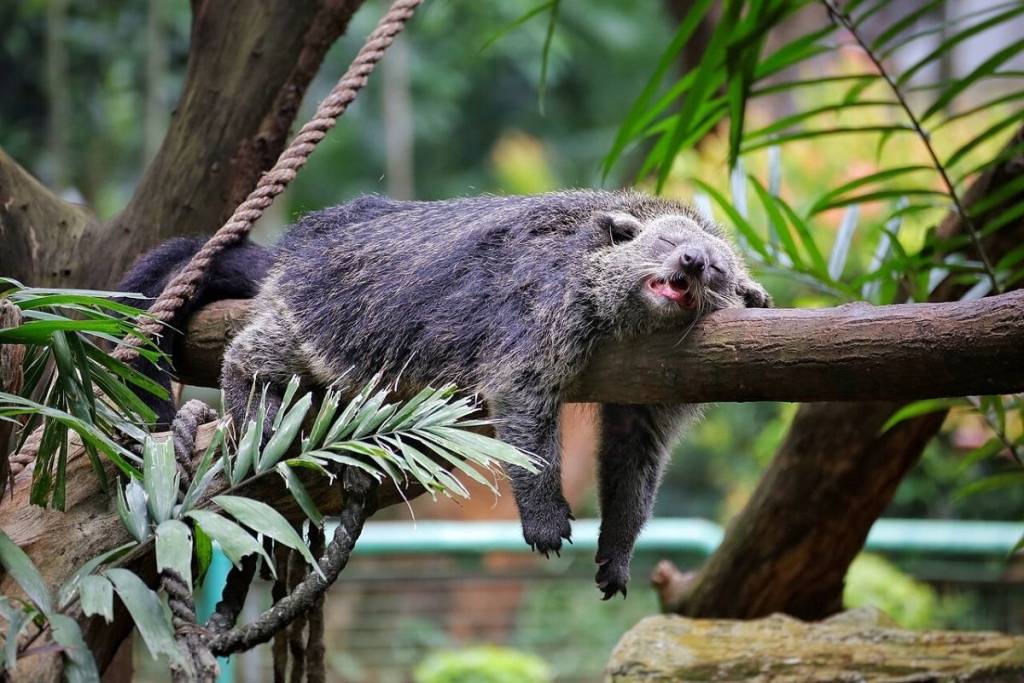
The revamped gallery now welcomes a new species to Georgia Aquarium: binturongs, a distinctive mammal native to Southeast Asia known for its long, prehensile tail and shaggy black coat. They join an expanded collection of freshwater animals from ecosystems across Africa, South America, Asia, and Georgia.
22 October 2026 09:00 + more dates
Georgia Aquarium
One of the biggest upgrades is the habitat for Asian small-clawed otters, which has been doubled in size. The expanded environment gives the otters more room and greater environmental complexity, while two overhead habitat trails allow visitors to move through the space and see the animals from new vantage points.
The makeover also introduces a brand-new Canopy Walk, along with updated theming, signage and lighting throughout the gallery. There’s even a new single-player river cleanup game that puts visitors’ conservation knowledge to the test.
The transformation continues into Peterson Preserve, where guests can find a new Gator Shack theme, tactile interpretation signs, educational displays and interactive kiosks.
River Scout is built around the world’s freshwater ecosystems, with waterfalls, logjams and a simulated North American river flowing overhead. The gallery is home to animals including alligator snapping turtles, archerfish, piranhas and Asian small-clawed otters.
The newly reimagined space is part of Georgia Aquarium’s broader effort to make its animal habitats more immersive while giving visitors a closer look at the ecosystems these species depend on.